




Supreme Court Orders Reservation for Women in SCAORA Governing Body: A Landmark Step Toward Gender Equality


Introduction: A Turning Point for Women in the Legal Profession
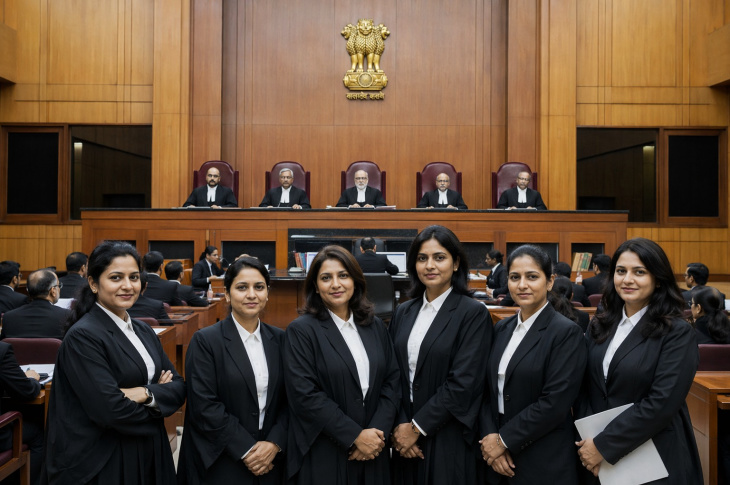
In a significant step toward gender equality in India’s legal profession, the Supreme Court of India recently directed that certain positions in the governing body of the Supreme Court Advocates-on-Record Association be reserved exclusively for women lawyers. This decision reflects a broader judicial commitment to ensuring that women have meaningful representation in leadership roles within legal institutions.
The ruling is not just about allocating positions—it is about correcting long-standing gender imbalances and promoting inclusive governance in one of the country’s most influential legal bodies. By invoking constitutional powers, the Court has demonstrated that equality is not merely a principle but an actionable goal.
For lawyers, law students, bar associations, and policymakers, this development offers valuable insights into how institutional reforms can reshape professional environments. More importantly, it sends a powerful message: leadership in the legal profession must reflect the diversity of those it represents.
Also Read: Rights Of Unmarried Women Under Abortion Law
Understanding SCAORA and Its Role in the Supreme Court Ecosystem
Before examining the significance of the Court’s order, it is essential to understand what SCAORA is and why its governance structure matters.
What Is SCAORA?
The Supreme Court Advocates-on-Record Association represents Advocates-on-Record (AoRs)—a specialized category of lawyers authorized to file and conduct cases before the Supreme Court. Only AoRs can officially represent clients in the apex court, making their association a critical institution within India’s legal system.
Why Leadership Representation in SCAORA Matters
Leadership positions in professional associations influence:
-
Policy decisions affecting lawyers
-
Professional standards and ethics
-
Training and capacity-building initiatives
-
Advocacy for members’ rights
-
Institutional culture and inclusivity
When women are underrepresented in leadership roles, their perspectives and challenges may not be adequately reflected in decision-making processes.
Also Read: Empowering Working Mothers: Understanding Your Legal Rights in India
The Supreme Court’s Landmark Direction on Women’s Reservation
The directive was issued by a Division Bench of the Supreme Court of India, which recognized the need for corrective measures to address gender disparity in leadership roles.
Key Highlights of the Order
The Court ordered that the following positions in the upcoming SCAORA elections be reserved for women:
-
Joint Treasurer
-
Secretary
-
Two Executive Committee Members
These reserved posts ensure that women will have a guaranteed presence in the association’s governance structure.
Legal Authority Behind the Decision
The Court exercised its powers under:
- Article 142 of the Constitution of India
This provision allows the Supreme Court to pass orders necessary to achieve “complete justice” in any matter before it.
Why Article 142 Was Used
Article 142 is often invoked in situations where:
-
Existing laws do not provide an immediate remedy
-
Institutional reforms are urgently needed
-
Equity and fairness require judicial intervention
In this case, the Court used Article 142 to ensure that gender representation is not left to chance but becomes an enforceable reality.
Also Read: Asking Wife to Care for Family Member Not Cruelty Under Section 498A IPC: Delhi High Court
The Case That Triggered the Reform
The direction emerged from the case:
Case Title: Vivya Nagpal vs Supreme Court Advocates on Record Association
This case highlighted the issue of inadequate representation of women in the leadership structure of SCAORA.
The Core Concern
The petitioner argued that:
-
Women lawyers were significantly underrepresented in leadership roles
-
Structural barriers limited their participation
-
Institutional reforms were necessary to ensure equality
The association itself supported the idea of reform, demonstrating a consensus on the need for change.
Why Women’s Representation in Legal Leadership Has Been Low
Despite increasing numbers of women entering the legal profession, leadership representation remains limited.
Common Barriers Faced by Women Lawyers
1. Work-Life Balance Challenges
Many women lawyers juggle professional responsibilities with family obligations, making leadership roles more difficult to pursue.
2. Lack of Mentorship Opportunities
Leadership often depends on professional networks and mentorship, areas where women have historically had fewer opportunities.
3. Institutional Bias
Unconscious bias can influence:
-
Promotion decisions
-
Election outcomes
-
Allocation of responsibilities
4. Limited Visibility
Women lawyers may receive fewer opportunities to:
-
Argue high-profile cases
-
Lead committees
-
Build professional reputations
These systemic issues contribute to the persistent gender gap in leadership positions.
How Reservation Can Transform Professional Institutions
Reservation policies are often debated, but their impact in professional settings can be transformative.
Key Benefits of Reservation for Women
1. Ensures Minimum Representation
Reservation guarantees that women have a voice in decision-making processes.
2. Builds Leadership Pipelines
When women hold leadership roles, they inspire others to pursue similar positions.
3. Promotes Inclusive Governance
Diverse leadership teams make more balanced decisions.
4. Enhances Institutional Credibility
Organizations that prioritize equality gain greater trust and legitimacy.
Real-Life Scenario: How Representation Changes Outcomes
Consider the following example:
A professional association plans to introduce flexible working hours for lawyers.
If the governing body includes women leaders, they may:
-
Recognize the need for maternity support policies
-
Advocate for remote work options
-
Promote childcare assistance programs
Without diverse representation, such issues may remain overlooked.
This demonstrates how representation directly influences policy outcomes.
The Supreme Court’s Broader Push for Gender Equality in Legal Institutions
The recent directive is part of a larger effort by the Supreme Court of India to improve women’s participation across legal bodies.
Previous Measures Supporting Women’s Representation
Mandatory Representation in State Bar Councils
The Court previously directed that:
-
Women must have at least 30% representation in all State Bar Councils
-
The requirement is non-negotiable
-
Co-option may be used if elections cannot meet the quota
Why These Measures Matter
They create:
-
Structural accountability
-
Institutional diversity
-
Long-term cultural change
Understanding Gender Equality Through Constitutional Principles
The Supreme Court’s decision aligns with fundamental constitutional values.
Key Constitutional Provisions Supporting Gender Equality
Article 14 – Right to Equality
Guarantees equality before the law.
Article 15 – Prohibition of Discrimination
Prohibits discrimination based on gender.
Article 16 – Equal Opportunity in Public Employment
Ensures equal access to professional opportunities.
Article 39 – Directive Principles of State Policy
Encourages equal participation of men and women in economic and social activities.
Together, these provisions form the legal foundation for gender-inclusive policies.
Practical Impact of the Decision on Women Lawyers
The Court’s order is expected to produce immediate and long-term benefits.
Short-Term Impact
-
Guaranteed leadership positions for women
-
Increased visibility for women lawyers
-
Greater confidence among female professionals
Long-Term Impact
-
Development of women leaders in the legal profession
-
Cultural transformation within institutions
-
Improved gender balance in decision-making
What This Means for Young Women Entering the Legal Profession
For law students and junior lawyers, the decision sends a clear message: leadership opportunities are expanding.
Opportunities Created by the Reform
Women lawyers can now:
-
Participate more actively in professional associations
-
Seek leadership roles with greater confidence
-
Build professional networks
-
Influence institutional policies
Example Scenario
A young lawyer joining the Supreme Court bar may previously have felt discouraged from contesting elections due to limited representation.
With reserved positions, she now has a realistic pathway to leadership.
Lessons for Other Professional Bodies in India
The decision sets an important precedent for organizations beyond the legal profession.
Institutions That Can Learn from This Model
-
Bar associations
-
Medical councils
-
Chartered accountant bodies
-
Corporate boards
-
Academic institutions
Key Takeaway
Representation policies are not just symbolic—they drive measurable change.
Addressing Concerns About Reservation Policies
While reservation promotes equality, it often raises questions.
Common Concerns
Concern 1: Does Reservation Compromise Merit?
Answer:
Reservation ensures opportunity, not automatic selection. Candidates must still meet eligibility criteria and perform effectively.
Concern 2: Is Reservation a Permanent Solution?
Answer:
Reservation is typically a temporary corrective measure designed to address systemic imbalance.
Concern 3: Will Reservation Create Dependency?
Answer:
Evidence shows that representation builds confidence and competence rather than dependency.
The Role of Leadership Diversity in Strengthening Institutions
Diverse leadership teams offer measurable advantages.
Benefits of Leadership Diversity
-
Better decision-making
-
Improved problem-solving
-
Higher organizational performance
-
Greater innovation
-
Stronger stakeholder trust
Research consistently shows that inclusive leadership enhances institutional effectiveness.
Global Perspective: Women in Legal Leadership
Gender equality in the legal profession is a global challenge.
Trends Across the World
Many countries have introduced:
-
Gender quotas in professional bodies
-
Diversity requirements in leadership roles
-
Mentorship programs for women lawyers
India’s recent reforms align with these global trends.
Actionable Steps for Women Lawyers to Leverage This Opportunity
The Supreme Court’s directive creates new possibilities—but success depends on proactive engagement.
Step-by-Step Strategy
Step 1: Build Professional Expertise
Focus on:
-
Litigation skills
-
Legal research
-
Courtroom advocacy
Step 2: Participate in Professional Activities
Join:
-
Committees
-
Training programs
-
Networking events
Step 3: Seek Mentorship
Identify experienced professionals who can provide guidance.
Step 4: Contest Leadership Elections
Take advantage of reserved positions to gain leadership experience.
Step 5: Advocate for Institutional Reforms
Use leadership roles to promote inclusive policies.
Responsibilities of Professional Associations After the Court’s Order
Organizations must implement the directive effectively.
Key Responsibilities
-
Conduct fair and transparent elections
-
Encourage women candidates to participate
-
Provide leadership training programs
-
Monitor gender representation
Failure to comply with judicial directives can result in legal consequences.
Potential Challenges in Implementing the Reservation Policy
Every reform faces practical obstacles.
Possible Challenges
Limited Candidate Pool
Some organizations may struggle to find eligible candidates.
Resistance to Change
Institutional culture may take time to evolve.
Administrative Complexity
Implementing new election rules requires coordination.
How to Overcome These Challenges
-
Conduct awareness campaigns
-
Provide leadership development programs
-
Establish mentorship networks
The Role of Men as Allies in Gender Equality
Gender equality is not solely a women’s issue—it requires collective effort.
Ways Male Professionals Can Support Equality
-
Encourage women to pursue leadership roles
-
Promote inclusive workplace policies
-
Challenge gender stereotypes
-
Provide mentorship and support
Inclusive institutions benefit everyone.
Future Outlook: The Road Ahead for Gender Equality in Legal Institutions
The Supreme Court’s decision represents a milestone—but the journey toward equality continues.
Expected Developments
-
Expansion of reservation policies
-
Increased participation of women in leadership
-
Stronger diversity initiatives
-
Institutional reforms across professional bodies
These changes will shape the future of India’s legal profession.
Why This Decision Matters for Society at Large
Gender equality in professional institutions has far-reaching implications.
Broader Social Impact
-
Strengthens democratic values
-
Promotes social justice
-
Encourages economic participation
-
Builds public trust in institutions
When leadership reflects society’s diversity, governance becomes more inclusive.
Key Takeaways
-
The Supreme Court of India directed reservation for women in the governing body of the Supreme Court Advocates-on-Record Association.
-
Specific leadership positions—including Secretary, Joint Treasurer, and two Executive Committee seats—are now reserved for women.
-
The Court used Article 142 of the Constitution to ensure complete justice and institutional reform.
-
The decision is part of a broader push to improve women’s representation in legal institutions.
-
Reservation policies can drive meaningful change by creating leadership opportunities and promoting inclusive governance.
Conclusion: A Landmark Step Toward True Equality
The Supreme Court’s directive to reserve leadership positions for women in SCAORA is more than an administrative reform—it is a declaration of intent. It signals that equality must be visible, measurable, and enforceable within professional institutions.
For women lawyers, this decision opens doors that were once difficult to access. For legal institutions, it establishes a blueprint for inclusive governance. And for society, it reinforces the belief that justice begins with fairness within our own institutions.
As India continues to evolve, initiatives like this will play a critical role in shaping a legal profession that is not only competent but also equitable, representative, and future-ready.
Frequently asked questions
What did the Supreme Court decide about reservation for women in SCAORA?
What did the Supreme Court decide about reservation for women in SCAORA?
The Supreme Court of India directed that specific leadership positions in the Supreme Court Advocates-on-Record Association governing body be reserved for women lawyers. The reserved posts include the Secretary, Joint Treasurer, and two Executive Committee members, ensuring greater representation of women in the association’s leadership.
Under which constitutional provision did the Supreme Court order reservation for women in SCAORA?
Under which constitutional provision did the Supreme Court order reservation for women in SCAORA?
The Court invoked Article 142 of the Constitution of India, which empowers the Supreme Court of India to pass orders necessary to ensure complete justice. This provision allows the Court to implement corrective measures when existing systems fail to address inequality or representation gaps.
Why is reservation for women in legal bodies like SCAORA important?
Why is reservation for women in legal bodies like SCAORA important?
Reservation helps address the long-standing underrepresentation of women in leadership roles within legal institutions. By ensuring minimum representation in bodies such as the Supreme Court Advocates-on-Record Association, the policy promotes gender equality, strengthens decision-making diversity, and encourages more women to participate in professional governance.
Will this reservation policy apply to other bar associations or legal institutions in India?
Will this reservation policy apply to other bar associations or legal institutions in India?
The order specifically applies to the Supreme Court Advocates-on-Record Association, but it sets an important precedent. Similar measures may be adopted by other bar councils and professional bodies, especially as the Supreme Court of India continues to promote women’s representation in legal institutions across the country.
How will the Supreme Court’s decision impact women lawyers in India?
How will the Supreme Court’s decision impact women lawyers in India?
The decision is expected to create more leadership opportunities for women lawyers, increase their visibility in professional bodies, and encourage participation in governance roles. Over time, this move can help build a stronger pipeline of women leaders in the legal profession and promote a more inclusive legal system.

Online Consultation


Online Consultations


Trending
Frequently asked questions
What did the Supreme Court decide about reservation for women in SCAORA?
What did the Supreme Court decide about reservation for women in SCAORA?
The Supreme Court of India directed that specific leadership positions in the Supreme Court Advocates-on-Record Association governing body be reserved for women lawyers. The reserved posts include the Secretary, Joint Treasurer, and two Executive Committee members, ensuring greater representation of women in the association’s leadership.
Under which constitutional provision did the Supreme Court order reservation for women in SCAORA?
Under which constitutional provision did the Supreme Court order reservation for women in SCAORA?
The Court invoked Article 142 of the Constitution of India, which empowers the Supreme Court of India to pass orders necessary to ensure complete justice. This provision allows the Court to implement corrective measures when existing systems fail to address inequality or representation gaps.
Why is reservation for women in legal bodies like SCAORA important?
Why is reservation for women in legal bodies like SCAORA important?
Reservation helps address the long-standing underrepresentation of women in leadership roles within legal institutions. By ensuring minimum representation in bodies such as the Supreme Court Advocates-on-Record Association, the policy promotes gender equality, strengthens decision-making diversity, and encourages more women to participate in professional governance.
Will this reservation policy apply to other bar associations or legal institutions in India?
Will this reservation policy apply to other bar associations or legal institutions in India?
The order specifically applies to the Supreme Court Advocates-on-Record Association, but it sets an important precedent. Similar measures may be adopted by other bar councils and professional bodies, especially as the Supreme Court of India continues to promote women’s representation in legal institutions across the country.
How will the Supreme Court’s decision impact women lawyers in India?
How will the Supreme Court’s decision impact women lawyers in India?
The decision is expected to create more leadership opportunities for women lawyers, increase their visibility in professional bodies, and encourage participation in governance roles. Over time, this move can help build a stronger pipeline of women leaders in the legal profession and promote a more inclusive legal system.
Online Consultations


Ask a Lawyer