


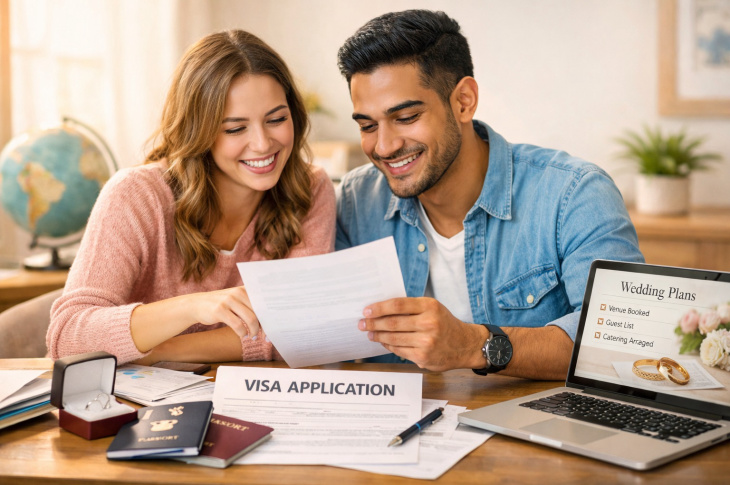


What Evidence Is Required for a Prospective Marriage Visa?


Applying for a prospective marriage visa can be an exciting yet complex journey for couples who wish to start their life together in another country. Many nations allow engaged partners to apply for a visa that permits them to enter the country and marry their fiancé within a specific period. For example, the Prospective Marriage Visa (Subclass 300) in Australia allows a person to travel to Australia to marry their partner within nine months of visa approval.
However, one of the most important aspects of this visa application is evidence. Immigration authorities carefully examine each application to ensure that the relationship is genuine and that the applicants meet all legal requirements. Providing strong and well-organised documents significantly improves the chances of approval.
Understanding a Prospective Marriage Visa
A prospective marriage visa is designed for individuals who are engaged to a citizen or permanent resident of another country and intend to marry after entering that country.
For instance, under the Prospective Marriage Visa (Subclass 300), the applicant must:
-
Be engaged to an Australian citizen, permanent resident, or eligible New Zealand citizen
-
Marry within the permitted visa period
-
Show evidence of a genuine and continuing relationship
-
Meet health and character requirements
Once the marriage takes place, the visa holder can usually apply for a partner visa to continue living in the country.
Because immigration authorities aim to prevent fraudulent marriages, they require extensive documentation. Therefore, applicants must demonstrate that the relationship is real, that both partners genuinely intend to marry, and that they meet legal requirements.
Evidence of a Genuine Relationship
One of the most important parts of a prospective marriage visa application is proving that the relationship between the couple is genuine and ongoing.
Immigration officials want to ensure that the engagement is not solely for immigration purposes. Therefore, applicants should provide as much evidence as possible to show the authenticity of the relationship.
Common Documents Used to Prove a Genuine Relationship
-
Photographs Together
-
Photos from different stages of the relationship
-
Pictures with family members or friends
-
Photos from trips, holidays, or celebrations
-
-
Communication Records
-
Chat logs from messaging platforms
-
Email conversations
-
Call history or phone records
-
Screenshots of social media conversations
-
-
Travel Records
-
Flight tickets
-
Boarding passes
-
Passport stamps
-
Travel itineraries
-
-
Proof of Time Spent Together
-
Hotel bookings
-
Restaurant bills
-
Event tickets
-
Joint travel bookings
-
-
Social Media Evidence
-
Relationship posts
-
Tagged photos
-
Engagement announcements
-
Why This Evidence Matters
Immigration authorities analyse whether the relationship reflects normal behavior expected from an engaged couple. Showing consistent interaction, shared experiences, and emotional connection helps prove authenticity.
The more diverse the evidence is, the stronger the application becomes.
Proof of Formal Intention to Marry
Another essential requirement is demonstrating that the couple genuinely intends to marry within the allowed time frame after the visa is granted.
For example, under the Prospective Marriage Visa (Subclass 300), couples must marry within 9 months of the visa being granted.
Documents That Show Intention to Marry
Applicants can provide:
-
Wedding venue bookings
-
Quotes from wedding planners
-
Booking confirmations from caterers
-
Invitations or draft guest lists
-
Emails discussing wedding arrangements
-
Engagement ceremony photographs
-
Wedding planning contracts
Even informal planning documents can help demonstrate commitment.
Example Evidence
A couple may submit:
-
A deposit receipt from a wedding venue
-
A booking confirmation from a photographer
-
An email chain discussing wedding dates
Such documentation clearly shows that the couple is actively planning their marriage.
Proof of Meeting in Person
In most countries, applicants must demonstrate that they have met their fiancé in person at least once before applying for the visa.
Immigration authorities want to ensure the couple has physically met and developed a real relationship, rather than communicating only online.
Documents That Prove In-Person Meetings
Applicants may submit:
-
Passport stamps
-
Boarding passes
-
Visa entry records
-
Travel itineraries
-
Hotel bookings
-
Travel photographs together
-
Restaurant receipts or event tickets
Additional Supporting Evidence
Other useful documents include:
-
Joint travel insurance
-
Photos from family gatherings
-
Tickets to concerts or events attended together
Providing detailed information about each meeting helps authorities understand the history of the relationship.
Personal Identification Documents
Every visa application requires official identification documents for both partners.
These documents verify the identity, nationality, and legal status of the individuals involved.
Common Identification Documents
Applicants usually need to provide:
-
Valid passports
-
Birth certificates
-
National identity cards
-
Citizenship certificates
-
Passport-size photographs
These documents help immigration authorities confirm that the applicants are who they claim to be.
Additional Identification Documents
Depending on the situation, applicants may also need to submit:
-
Name change certificates
-
Adoption records
-
Identity verification documents
Providing clear and accurate identification documents ensures that the application process proceeds smoothly.
Character Requirements and Police Clearance
Immigration authorities require applicants to meet character requirements to protect public safety.
This typically involves submitting police clearance certificates from countries where the applicant has lived for a significant period.
Police Certificates
Applicants may need police certificates from:
-
Their home country
-
Any country where they lived for 12 months or more after turning 16
These certificates confirm that the applicant does not have a serious criminal background.
Why Character Checks Are Important
Character checks ensure that visa applicants:
-
Do not pose a threat to society
-
Have complied with laws in previous countries
-
Have not committed serious offences
Providing accurate character documentation helps immigration authorities maintain security standards.
Health Requirements and Medical Examination
Most immigration programs require applicants to undergo medical examinations to ensure that they meet the country's health standards.
For example, applicants for the Prospective Marriage Visa (Subclass 300) must complete medical tests conducted by approved doctors.
Typical Medical Checks Include
-
General health examination
-
Chest X-ray
-
Blood tests
-
Medical history review
Purpose of Health Checks
Health assessments help ensure that applicants:
-
Do not carry serious contagious diseases
-
Will not create excessive burden on the healthcare system
-
Meet public health standards
Medical results are usually submitted directly by the authorized medical practitioner.
Financial Capacity and Proof of Support
In some cases, immigration authorities want proof that the couple can support themselves financially.
This requirement helps ensure that the visa holder will not become dependent on government assistance.
Financial Evidence That May Be Required
Applicants can provide:
-
Bank statements
-
Salary slips
-
Employment contracts
-
Tax returns
-
Proof of savings
-
Property ownership documents
Sometimes, the sponsoring partner may also provide financial sponsorship documents.
Example Financial Documents
Strong financial evidence may include:
-
Six months of bank statements
-
Letter from employer confirming salary
-
Employment verification letter
-
Evidence of business ownership
These documents help demonstrate that the couple is financially stable and prepared to build a life together.
Written Statements and Relationship Declarations
Personal statements are an important part of the visa application. These statements help immigration officials understand the story of the relationship.
What Should Be Included in Personal Statements?
Each partner should describe:
-
How they met
-
How the relationship developed
-
Important milestones in the relationship
-
When they got engaged
-
Plans for the future
-
Intention to marry
The statements should be honest, detailed, and consistent.
Statutory Declarations from Friends and Family
Applicants may also submit statutory declarations from:
-
Friends
-
Family members
-
Colleagues
These declarations confirm that others are aware of the relationship and believe it to be genuine.
Such third-party evidence strengthens the credibility of the application.
Supporting Documents for Previous Marriages
If either partner was previously married, they must prove that the earlier marriage has legally ended.
Required Documents May Include
-
Divorce certificates
-
Annulment documents
-
Death certificate of former spouse
-
Court orders confirming divorce
Immigration authorities require this proof to ensure that both partners are legally free to marry.
Failure to provide these documents can lead to delays or rejection of the visa application.
Additional Evidence That Can Strengthen the Application
Although not always mandatory, certain additional documents can make the application stronger.
Examples of Helpful Supporting Evidence
Applicants may include:
-
Engagement ceremony photographs
-
Joint bank accounts
-
Insurance policies naming each other as beneficiaries
-
Gift receipts
-
Letters exchanged between partners
-
Shared accommodation proof
These documents demonstrate that the couple shares a genuine emotional and practical connection.
Organising the Evidence Properly
Collecting documents is only one part of the process. Applicants must also organise the evidence properly.
A well-structured application makes it easier for immigration officers to review the documents.
Tips for Organising Your Documents
-
Create clear categories
-
Relationship evidence
-
Identification documents
-
Financial proof
-
Health and character documents
-
-
Arrange documents chronologically
-
Provide explanations where needed
-
Label photographs and screenshots
-
Avoid submitting duplicate documents
A well-organised application reflects seriousness and professionalism.
Common Mistakes Applicants Should Avoid
Many prospective marriage visa applications are delayed due to avoidable mistakes.
Common Errors Include
-
Incomplete documentation
-
Inconsistent information between partners
-
Lack of relationship evidence
-
Submitting unclear or illegible documents
-
Providing outdated passports or identification
Applicants should review their application carefully before submission.
Processing Time and What to Expect
Processing times vary depending on the country and individual circumstances.
For example, the Prospective Marriage Visa (Subclass 300) may take several months to process.
Factors That Affect Processing Time
These include:
-
Completeness of application
-
Number of applications being processed
-
Additional background checks
-
Request for extra documents
Submitting a complete and accurate application reduces delays.
After the Visa Is Granted
Once the visa is approved, the applicant can travel to the destination country and marry their partner within the permitted period.
After the marriage takes place, many countries allow the visa holder to apply for a partner visa or permanent residency pathway.
This step often requires submitting marriage certificates and updated relationship evidence.
Legal and Immigration Considerations
Immigration laws can change frequently, and each case may have unique circumstances.
Therefore, couples are often advised to:
-
Consult immigration experts
-
Seek legal advice
-
Review official immigration guidelines
Professional guidance can help ensure that the application complies with all legal requirements.
Conclusion
Applying for a prospective marriage visa requires careful preparation and strong documentation. Immigration authorities require detailed evidence to ensure that the relationship is genuine and that both partners intend to marry legally.
Key documents include:
-
Proof of a genuine relationship
-
Evidence of intention to marry
-
Proof of meeting in person
-
Identification documents
-
Character and police clearance certificates
-
Medical examination results
-
Financial evidence
-
Written statements and declarations
-
Proof of divorce or previous marriage termination
Providing clear, accurate, and organised documentation significantly increases the chances of visa approval.
Couples who carefully prepare their applications, present honest information, and support their claims with reliable evidence will find the process much smoother. With the right preparation and attention to detail, applicants can successfully secure a prospective marriage visa and begin their new life together.
Frequently asked questions
What is the most important evidence required for a prospective marriage visa?
What is the most important evidence required for a prospective marriage visa?
The most important evidence for a prospective marriage visa is proof of a genuine and ongoing relationship between the applicant and their fiancé. Immigration authorities usually look for documents such as photographs together, communication records (messages, emails, call logs), travel history, and statements from friends or family confirming the relationship. These documents help show that the relationship is real and not created only for immigration purposes.
Do we need proof that we have met in person before applying?
Do we need proof that we have met in person before applying?
Yes, most countries require couples to prove they have met in person at least once before applying for a prospective marriage visa. Evidence may include passport stamps, flight tickets, hotel reservations, travel photos, and itineraries. This requirement ensures that the relationship is genuine and that the couple has spent time together physically.
What documents prove the intention to marry?
What documents prove the intention to marry?
To show a genuine intention to marry, couples can submit documents such as wedding venue bookings, engagement photos, wedding planning emails, guest lists, or quotes from wedding service providers. Even early-stage planning evidence helps demonstrate that both partners seriously intend to marry within the required time after the visa is granted.
Are police and medical checks required for a prospective marriage visa?
Are police and medical checks required for a prospective marriage visa?
Yes, applicants usually must meet character and health requirements. This often includes submitting police clearance certificates from countries where they have lived and undergoing medical examinations conducted by authorised doctors. These checks help immigration authorities ensure public safety and health standards.
What happens after a prospective marriage visa is approved?
What happens after a prospective marriage visa is approved?
After the visa is granted, the applicant can travel to the destination country and marry their fiancé within the specified visa validity period. After the marriage, the couple can usually apply for a partner visa or residency visa to continue living together in that country.

Online Consultation


Online Consultations


Trending
Frequently asked questions
What is the most important evidence required for a prospective marriage visa?
What is the most important evidence required for a prospective marriage visa?
The most important evidence for a prospective marriage visa is proof of a genuine and ongoing relationship between the applicant and their fiancé. Immigration authorities usually look for documents such as photographs together, communication records (messages, emails, call logs), travel history, and statements from friends or family confirming the relationship. These documents help show that the relationship is real and not created only for immigration purposes.
Do we need proof that we have met in person before applying?
Do we need proof that we have met in person before applying?
Yes, most countries require couples to prove they have met in person at least once before applying for a prospective marriage visa. Evidence may include passport stamps, flight tickets, hotel reservations, travel photos, and itineraries. This requirement ensures that the relationship is genuine and that the couple has spent time together physically.
What documents prove the intention to marry?
What documents prove the intention to marry?
To show a genuine intention to marry, couples can submit documents such as wedding venue bookings, engagement photos, wedding planning emails, guest lists, or quotes from wedding service providers. Even early-stage planning evidence helps demonstrate that both partners seriously intend to marry within the required time after the visa is granted.
Are police and medical checks required for a prospective marriage visa?
Are police and medical checks required for a prospective marriage visa?
Yes, applicants usually must meet character and health requirements. This often includes submitting police clearance certificates from countries where they have lived and undergoing medical examinations conducted by authorised doctors. These checks help immigration authorities ensure public safety and health standards.
What happens after a prospective marriage visa is approved?
What happens after a prospective marriage visa is approved?
After the visa is granted, the applicant can travel to the destination country and marry their fiancé within the specified visa validity period. After the marriage, the couple can usually apply for a partner visa or residency visa to continue living together in that country.
Online Consultations


Ask a Lawyer