


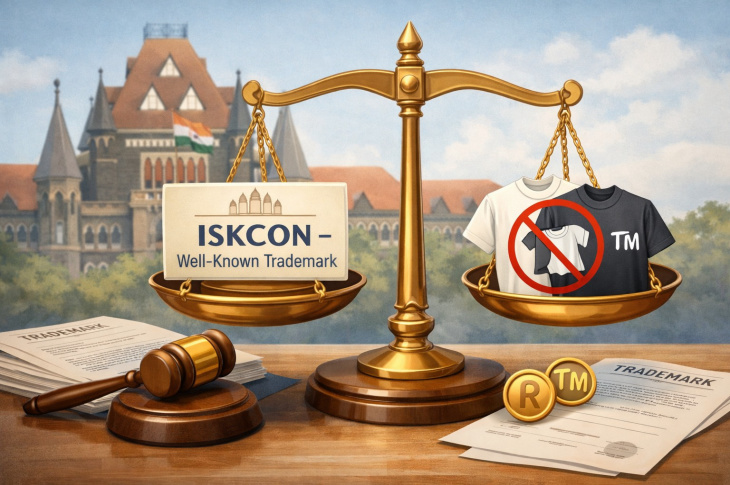


ISKCON vs Iskcon Apparel: Understanding the Trademark Conflict


Introduction
Trademark law exists to protect identity, reputation, and trust. A trademark is not merely a logo or a word; it represents the goodwill an organisation builds over years—sometimes decades—of consistent use. When such goodwill is misused, especially in a manner that misleads the public, courts are duty‑bound to intervene.
The decision of the Bombay High Court in International Society for Krishna Consciousness (ISKCON) v. Iskcon Apparel Pvt. Ltd. & Anr. (2020) is a landmark ruling in Indian trademark jurisprudence. The case is particularly significant because it deals with the commercial misuse of a religious and charitable organisation’s name, and clarifies how even indirect references to a protected trademark can amount to infringement and passing off.
Background of the Parties
International Society for Krishna Consciousness (ISKCON)
The International Society for Krishna Consciousness (ISKCON) is a globally recognised religious and spiritual organisation founded in 1966 by A.C. Bhaktivedanta Swami Prabhupada. Over the decades, ISKCON has established temples, cultural centres, educational institutions, and charitable activities across India and the world.
In India, the name “ISKCON” is deeply associated with:
-
Hindu religious worship and spiritual teachings
-
Distribution of religious literature
-
Cultural programmes and festivals
-
Sale of authorised merchandise, books, and devotional items
Due to long, continuous, and extensive use, ISKCON holds multiple trademark registrations for the mark “ISKCON” under various classes, including Classes 16, 23, 24, 25, 35, and 42.
Iskcon Apparel Pvt. Ltd. / Alcis Sports Pvt. Ltd.
The Defendant initially operated under the name Iskcon Apparel Pvt. Ltd., engaging in the manufacture and sale of clothing and apparel products. These products were marketed online, using the word “ISKCON” prominently as part of the brand identity.
Subsequently, during the pendency of the dispute, the company changed its name to Alcis Sports Pvt. Ltd. However, as the court later observed, references to the former name and continued association with the ISKCON mark did not entirely cease.
Facts of ISKCON vs Iskcon Apparel Case
The dispute came to light in February 2020, when ISKCON discovered the Defendant’s activities during online searches. It was observed that:
-
The Defendant was using the word “ISKCON” as part of its corporate and brand identity
-
Apparel products were being sold under the ISKCON name
-
The use was unauthorised, with no licence, permission, or association with ISKCON
ISKCON contended that such use was misleading and capable of creating a false belief among devotees and the general public that the products were endorsed, approved, or connected with the religious organisation.
Despite issuing notices and summons requesting cessation of use, the Defendant failed to effectively respond or appear during the initial hearings. Even after changing its corporate name, the Defendant continued to use expressions such as “formerly known as Iskcon Apparel Pvt. Ltd.”, thereby maintaining a connection with the infringing mark.
This compelled ISKCON to approach the Bombay High Court seeking relief for trademark infringement and passing off.
Issues Before the Court
The Bombay High Court framed and examined the following key legal issues:
-
Whether the mark “ISKCON” qualifies as a well‑known trademark under the Trade Marks Act, 1999.
-
Whether continued or indirect use of the ISKCON mark, including references to a former corporate name, amounts to trademark infringement and passing off.
-
Whether a change in company name is sufficient to absolve liability when the goodwill of the original mark continues to be exploited.
Relevant Legal Provisions
The Court examined the dispute primarily under the Trade Marks Act, 1999, including:
Section 2(1)(zg) – Well‑Known Trademark
This provision defines a well‑known trademark as one that has become so recognised by the public that its use in relation to other goods or services would indicate a connection with the original proprietor.
Sections 11(6) and 11(7)
These sections lay down the criteria for determining whether a mark is well‑known, including:
-
Public recognition
-
Duration and extent of use
-
Geographical spread
-
Promotional efforts
-
Enforcement history
Section 135 – Reliefs
Section 135 provides for reliefs in cases of trademark infringement and passing off, including:
-
Interim and permanent injunctions
-
Damages or account of profits
-
Delivery‑up of infringing goods
Arguments Advanced by ISKCON (Plaintiff)
ISKCON argued that:
-
The mark “ISKCON” is inherently distinctive and uniquely associated with the Plaintiff
-
It has acquired immense goodwill through decades of global use
-
The term is not generic or descriptive but a unique acronym
-
Use of the mark on apparel and merchandise is already well‑established through authorised channels
The Plaintiff further contended that the Defendant’s conduct was deliberate and dishonest, aimed at unfairly benefiting from ISKCON’s reputation. Continued use of phrases like “formerly known as Iskcon Apparel Pvt. Ltd.” was said to perpetuate confusion and misrepresentation.
According to ISKCON, this amounted to both statutory infringement and passing off.
Arguments Advanced by the Defendant
The Defendant submitted that:
-
Iskcon Apparel Pvt. Ltd. no longer existed as the company had changed its name
-
An affidavit‑cum‑undertaking had been filed stating that the ISKCON mark would not be used
However, the court noted that mere assurances were insufficient when evidence suggested continued association with the infringing name.
Court’s Analysis and Reasoning
Recognition of ISKCON as a Well‑Known Trademark
The Bombay High Court carefully analysed ISKCON’s reputation, observing its extensive presence in India and internationally. Applying Sections 11(6) and 11(7), the Court found that:
-
ISKCON enjoys widespread public recognition
-
The mark has been used consistently over decades
-
It has significant geographical reach
-
The term “ISKCON” had no independent existence prior to the Plaintiff’s adoption
On this basis, the Court held that ISKCON is a well‑known trademark under Indian law.
Effect of Change in Corporate Name
A crucial clarification by the Court was that changing a company’s name does not erase prior infringement. Continued reference to the old name or indirect association can still mislead consumers.
The use of “formerly known as Iskcon Apparel Pvt. Ltd.” was held to be deceptive and capable of causing confusion.
Finding of Infringement and Passing Off
The Court concluded that the Defendant was trading upon ISKCON’s goodwill, which constituted:
-
Trademark infringement under the Trade Marks Act, 1999
-
Passing off under common law principles
The Judgment
The Bombay High Court granted an interim injunction, restraining the Defendant from:
-
Using the mark “ISKCON” in any manner
-
Making direct or indirect references suggesting association with ISKCON
-
Continuing the use of expressions linking the business to the earlier infringing name
The Court unequivocally recognised ISKCON as a well‑known trademark.
Why This Judgment Is Important
Protection of Religious and Charitable Identity
The ruling safeguards religious organisations from commercial exploitation and misuse of public trust.
Strong Message to Businesses
Businesses cannot rely on name changes or technicalities to escape liability for trademark infringement.
Strengthening Well‑Known Trademark Law
The case reinforces India’s commitment to protecting well‑known trademarks beyond registered classes.
Practical Takeaways
-
Always conduct trademark searches before adopting a brand name
-
Avoid using religious or institutional names without authorisation
-
Changing a business name does not cure past or ongoing infringement
-
Indirect references can still amount to trademark misuse
Conclusion
The ISKCON vs Iskcon Apparel judgment is a defining ruling in Indian trademark law. It reinforces that goodwill, reputation, and public trust—especially of religious and charitable organisations—are entitled to the highest level of legal protection.
By recognising ISKCON as a well‑known trademark and restraining even indirect misuse, the Bombay High Court ensured that trademark law continues to serve its core purpose: preventing deception and preserving authenticity in the marketplace.
Frequently asked questions
What was the ISKCON vs Iskcon Apparel case about?
What was the ISKCON vs Iskcon Apparel case about?
The case involved the unauthorised commercial use of the word “ISKCON” by a clothing company. ISKCON alleged that such use misled the public into believing that the apparel products were associated with or endorsed by the religious organisation.
Does changing a company name stop trademark infringement?
Does changing a company name stop trademark infringement?
No. The Court clarified that merely changing a corporate name does not absolve liability if the infringing use or association with the trademark continues, even indirectly.
Is ISKCON a well-known trademark in India?
Is ISKCON a well-known trademark in India?
Yes. The Bombay High Court held that “ISKCON” qualifies as a well-known trademark under the Trade Marks Act, 1999 due to its long-standing use, public recognition, and global reputation.
What is passing off in trademark law?
What is passing off in trademark law?
Passing off occurs when one party misrepresents its goods or services as being associated with another, thereby causing confusion and damaging the goodwill of the original trademark owner.
Why is this judgment important for businesses?
Why is this judgment important for businesses?
The ruling warns businesses against adopting well-known or religious names for commercial gain and highlights the importance of conducting proper trademark checks before branding.
Which law governed the ISKCON trademark dispute?
Which law governed the ISKCON trademark dispute?
The dispute was decided under the Trade Marks Act, 1999, particularly Sections 2(1)(zg), 11, and 135, dealing with well-known trademarks and remedies for infringement.
What relief did the Court grant in this case?
What relief did the Court grant in this case?
The Bombay High Court granted an interim injunction, restraining the Defendant from using the ISKCON mark directly or indirectly, including references to its former company name.

Online Consultation


Online Consultations


Trending
Frequently asked questions
What was the ISKCON vs Iskcon Apparel case about?
What was the ISKCON vs Iskcon Apparel case about?
The case involved the unauthorised commercial use of the word “ISKCON” by a clothing company. ISKCON alleged that such use misled the public into believing that the apparel products were associated with or endorsed by the religious organisation.
Does changing a company name stop trademark infringement?
Does changing a company name stop trademark infringement?
No. The Court clarified that merely changing a corporate name does not absolve liability if the infringing use or association with the trademark continues, even indirectly.
Is ISKCON a well-known trademark in India?
Is ISKCON a well-known trademark in India?
Yes. The Bombay High Court held that “ISKCON” qualifies as a well-known trademark under the Trade Marks Act, 1999 due to its long-standing use, public recognition, and global reputation.
What is passing off in trademark law?
What is passing off in trademark law?
Passing off occurs when one party misrepresents its goods or services as being associated with another, thereby causing confusion and damaging the goodwill of the original trademark owner.
Why is this judgment important for businesses?
Why is this judgment important for businesses?
The ruling warns businesses against adopting well-known or religious names for commercial gain and highlights the importance of conducting proper trademark checks before branding.
Which law governed the ISKCON trademark dispute?
Which law governed the ISKCON trademark dispute?
The dispute was decided under the Trade Marks Act, 1999, particularly Sections 2(1)(zg), 11, and 135, dealing with well-known trademarks and remedies for infringement.
What relief did the Court grant in this case?
What relief did the Court grant in this case?
The Bombay High Court granted an interim injunction, restraining the Defendant from using the ISKCON mark directly or indirectly, including references to its former company name.
Online Consultations


Ask a Lawyer