




How Package Tracking Helps Resolve E-Commerce Disputes in India


Introduction: The Rise of E-Commerce and the Growing Need for Accountability
Over the past decade, India has witnessed a dramatic transformation in the way people shop. From ordering groceries and gadgets to booking medicines and furniture, consumers today rely heavily on online platforms. The growth of digital payments, smartphone penetration, and faster logistics has made e-commerce a part of daily life.
However, as online shopping increases, so do delivery-related disputes. Common issues include:
-
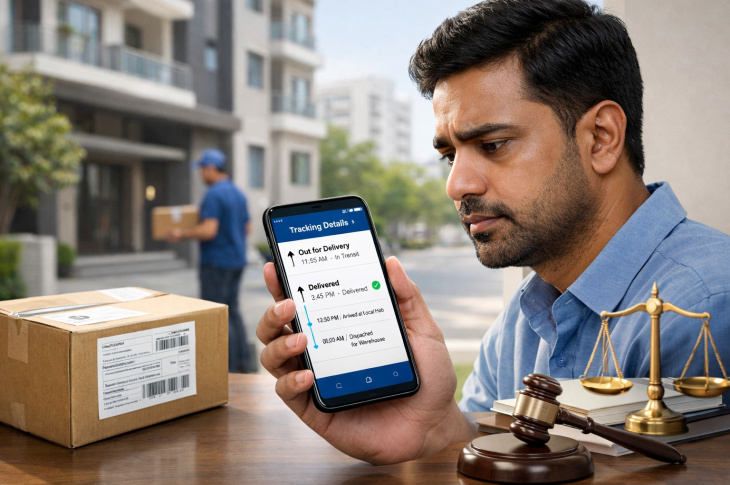
Packages marked “Delivered” but never received
-
Significant delivery delays
-
Lost parcels
-
Damaged goods
-
Return or refund complications
-
Fake delivery confirmations
-
Cross-border shipment confusion
When such problems arise, consumers often face confusion:
-
Is the seller responsible?
-
Is the courier at fault?
-
Does the marketplace bear liability?
-
What proof is required to claim a refund or compensation?
The answer to most of these questions lies in one critical element: package tracking data.
In India, under the Consumer Protection Act, 2019 and the Consumer Protection (E-Commerce) Rules, 2020, both sellers and e-commerce platforms are legally obligated to ensure fair practices, transparency, and timely delivery. But when disputes arise, tracking records often become the most powerful piece of evidence.
Understanding the Legal Grey Area in Delivery Disputes
1. The Supply Chain Problem
In a typical e-commerce transaction:
-
A buyer places an order on a marketplace.
-
The seller processes the order.
-
A logistics partner collects the parcel.
-
The parcel passes through multiple transit hubs.
-
The final-mile delivery agent delivers it.
At which point does responsibility shift?
When the seller hands over the package to the courier, control transfers physically—but legal responsibility may not completely shift. This is where disputes arise.
2. Legal Obligations Under Indian Law
Under the Consumer Protection Act, 2019, a consumer has the right to:
-
Timely delivery
-
Protection against unfair trade practices
-
Compensation for deficiency in service
The Consumer Protection (E-Commerce) Rules, 2020 further require:
-
Transparent shipping information
-
Clear delivery timelines
-
Accurate tracking updates
-
A grievance redressal mechanism
However, when disputes arise, forums and courts require evidence. Verbal claims are insufficient. This is where tracking logs become decisive.
Why Tracking Data Is Crucial in E-Commerce Disputes
Every parcel generates a digital footprint:
-
Dispatch scan
-
Transit scan
-
Hub arrival
-
Out-for-delivery scan
-
Delivery confirmation
-
Delivery attempt logs
Each scan includes:
-
Timestamp
-
Location
-
Courier ID
-
Delivery status
These details collectively form a digital chain of custody.
Tracking Data as Electronic Evidence
Under Indian law, electronic records are admissible evidence if properly presented. Tracking logs can demonstrate:
-
Whether dispatch actually occurred
-
When the delay began
-
Whether delivery occurred at the correct location
-
Whether delivery was falsely marked
In consumer disputes, this information can shift liability from the buyer to the seller or courier.
Common Delivery Issues and How Tracking Resolves Them
1. “Delivered” But Not Received
One of the most common complaints.
Scenario:
A customer receives a notification that the package is delivered, but no parcel is found.
How tracking helps:
-
Shows exact delivery timestamp
-
Shows GPS location (in many cases)
-
Shows delivery agent ID
-
Confirms whether a signature was obtained
If the GPS location differs from the buyer’s address, misdelivery can be proven.
If no delivery photo or signature exists, the seller’s claim weakens.
Tracking logs become the foundation for refund claims.
2. Delayed Delivery Beyond Promised Timeline
Under consumer law, delivery within a reasonable timeframe is mandatory.
Tracking reveals:
-
Was dispatch delayed?
-
Was the parcel stuck at a transit hub?
-
Was customs clearance delayed (for imports)?
-
Did the courier fail to attempt delivery?
This helps determine:
-
Seller fault (late dispatch)
-
Courier fault (transit delay)
-
External factors
Without tracking evidence, proving delay is difficult.
3. Lost in Transit
When tracking stops updating, the last recorded location becomes critical.
If tracking shows:
-
Last scan at a warehouse → Courier responsibility
-
No initial scan → Seller never shipped
-
Customs hold → Import-related delay
Consumer commissions rely heavily on such timestamps.
4. Return & Refund Disputes
Many sellers claim:
“We never received the returned product.”
Tracking records show:
-
Pickup confirmation
-
Return transit scans
-
Delivery at seller warehouse
This prevents wrongful denial of refunds.
The Role of Universal Tracking Tools
Traditional courier websites often:
-
Provide limited updates
-
Stop updating after handover
-
Do not show cross-border transitions
Universal platforms like:
-
Ordertracker
-
17TRACK
Aggregate data from multiple carriers.
Why This Matters
In cross-border shipments:
-
A Chinese courier hands to India Post
-
A US carrier transfers to a local courier
Standard tracking may break at handover.
Universal trackers consolidate updates, providing:
-
Continuous status
-
Full journey timeline
-
Unified report
These consolidated logs can be submitted during disputes.
How Indian Consumer Forums View Tracking Evidence
District Consumer Disputes Redressal Commissions increasingly rely on:
-
Order invoices
-
Payment confirmation
-
Tracking logs
-
Email correspondence
Tracking reports serve as objective data.
If logs show no delivery attempt, sellers may be directed to:
-
Refund the full amount
-
Pay interest
-
Pay compensation
Electronic tracking data has shifted disputes from opinion-based to fact-based decisions.
The Role of Marketplaces in Delivery Disputes
Major marketplaces such as:
-
Amazon
-
Flipkart
-
Myntra
Have buyer protection programs.
However, to activate these protections, buyers must provide:
-
Tracking details
-
Screenshots
-
Delivery history
Without documented tracking proof, refund claims may fail.
Psychological and Trust Benefits of Tracking
Tracking is not only legal protection—it is psychological reassurance.
Uncertainty increases stress. Real-time updates:
-
Build trust
-
Reduce disputes
-
Improve brand loyalty
Transparent logistics reduce complaint rates significantly.
Step-by-Step Guide: What to Do When Delivery Fails
Step 1: Download or Screenshot Tracking History
Save full tracking log including:
-
All scans
-
Dates
-
Locations
Step 2: Contact Seller
Share tracking details and request investigation.
Step 3: Escalate to Marketplace
If unresolved, escalate via platform grievance system.
Step 4: File Complaint with Authorities
Consumers can approach:
-
National Consumer Helpline
-
District Consumer Commission
Tracking logs serve as supporting documents.
Cross-Border Disputes: Why Tracking Is Even More Important
International shipping involves:
-
Customs clearance
-
Carrier handovers
-
Multiple logistics partners
Tracking shows:
-
Export clearance
-
Import clearance
-
Domestic processing
Without this, consumers cannot determine responsibility.
Fraud Prevention Through Tracking
Tracking also helps identify:
-
Fake sellers
-
Scam websites
-
Phantom shipping claims
If tracking number shows:
-
No record
-
Invalid carrier
-
Recycled tracking
It may indicate fraud.
Consumers should verify tracking early.
Seller Perspective: How Tracking Protects Businesses
Tracking protects sellers by proving:
-
Dispatch occurred
-
Delivery attempt made
-
Customer refused delivery
This prevents false claims.
Thus, tracking benefits both sides.
Regulatory Trend: Data-Driven Dispute Resolution
E-commerce regulation is moving toward:
-
Mandatory transparency
-
Digital record-keeping
-
Automated grievance tracking
Tracking systems support regulatory compliance.
Best Practices for Consumers
-
Always track immediately after dispatch
-
Save delivery screenshots
-
Record delivery if high-value item
-
Check address carefully
-
Act quickly if tracking stalls
Time is crucial in dispute filing.
The Bigger Picture: Data as Consumer Empowerment
E-commerce has blurred responsibility lines.
Tracking redraws them clearly.
It turns arguments into:
-
Timestamps
-
Locations
-
Verified scans
Instead of emotional disputes, forums now rely on structured digital evidence.
Conclusion: Tracking as the Backbone of Modern Consumer Protection
Online shopping is here to stay.
But convenience must be matched with accountability.
Package tracking:
-
Provides transparency
-
Establishes responsibility
-
Supports legal claims
-
Reduces fraud
-
Enhances consumer trust
Whether through courier portals or platforms like Ordertracker, tracking data empowers Indian consumers to enforce their rights confidently.
In today’s digital economy, tracking is not just a feature—it is a consumer protection tool.
When used correctly, it transforms delivery disputes from confusion into clarity, from blame into evidence, and from frustration into enforceable rights.
Disclaimer: This content is prepared for educational and informational purposes to help Indian consumers understand their legal rights and practical remedies in e-commerce delivery disputes. For case-specific advice, consult a qualified consumer law professional.
Frequently asked questions
Is package tracking considered valid legal proof in consumer disputes?
Is package tracking considered valid legal proof in consumer disputes?
Yes. Tracking records are treated as electronic evidence under Indian law, provided they clearly show shipment history, timestamps, and delivery status. Consumer Commissions frequently rely on tracking logs to determine whether:
-
The seller actually dispatched the product
-
The courier delayed the shipment
-
The parcel was genuinely delivered
Under the Consumer Protection Act, 2019, deficiency in service can be proven using digital records like tracking reports, email communication, and order confirmations.
Who is legally responsible for a lost package — the seller or the courier?
Who is legally responsible for a lost package — the seller or the courier?
In most cases, the seller or marketplace remains responsible for ensuring delivery to the customer. Even if a courier loses the parcel, the consumer generally does not have to chase the courier directly.
Tracking data helps identify where the parcel was last scanned, which determines whether:
-
The seller failed to ship it, or
-
The courier lost it in transit.
This clarity is crucial in fixing liability.
What should I do if my order is marked “Delivered” but I never received it?
What should I do if my order is marked “Delivered” but I never received it?
Follow these steps immediately:
-
Take a screenshot of the full tracking history.
-
Check the delivery timestamp and location details.
-
Contact the seller and share the tracking evidence.
-
Escalate the issue through the marketplace grievance system.
-
If unresolved, file a complaint with the National Consumer Helpline or your local Consumer Commission.
Quick action increases your chances of refund or compensation.
Are third-party tracking platforms reliable for dispute resolution?
Are third-party tracking platforms reliable for dispute resolution?
Universal tracking platforms like Ordertracker or 17TRACK consolidate data from multiple couriers, especially useful for cross-border shipments.
While official courier tracking remains primary evidence, consolidated tracking reports can strengthen your case by showing the complete shipment journey in one place.
Can tracking help in return and refund disputes?
Can tracking help in return and refund disputes?
Absolutely. When returning a product, tracking proves:
-
The item was picked up
-
It reached the seller’s warehouse
-
The delivery date of the return
If a seller claims they never received the returned item, tracking logs serve as proof. This prevents wrongful denial of refunds.

Online Consultation


Online Consultations


Trending
Frequently asked questions
Is package tracking considered valid legal proof in consumer disputes?
Is package tracking considered valid legal proof in consumer disputes?
Yes. Tracking records are treated as electronic evidence under Indian law, provided they clearly show shipment history, timestamps, and delivery status. Consumer Commissions frequently rely on tracking logs to determine whether:
-
The seller actually dispatched the product
-
The courier delayed the shipment
-
The parcel was genuinely delivered
Under the Consumer Protection Act, 2019, deficiency in service can be proven using digital records like tracking reports, email communication, and order confirmations.
Who is legally responsible for a lost package — the seller or the courier?
Who is legally responsible for a lost package — the seller or the courier?
In most cases, the seller or marketplace remains responsible for ensuring delivery to the customer. Even if a courier loses the parcel, the consumer generally does not have to chase the courier directly.
Tracking data helps identify where the parcel was last scanned, which determines whether:
-
The seller failed to ship it, or
-
The courier lost it in transit.
This clarity is crucial in fixing liability.
What should I do if my order is marked “Delivered” but I never received it?
What should I do if my order is marked “Delivered” but I never received it?
Follow these steps immediately:
-
Take a screenshot of the full tracking history.
-
Check the delivery timestamp and location details.
-
Contact the seller and share the tracking evidence.
-
Escalate the issue through the marketplace grievance system.
-
If unresolved, file a complaint with the National Consumer Helpline or your local Consumer Commission.
Quick action increases your chances of refund or compensation.
Are third-party tracking platforms reliable for dispute resolution?
Are third-party tracking platforms reliable for dispute resolution?
Universal tracking platforms like Ordertracker or 17TRACK consolidate data from multiple couriers, especially useful for cross-border shipments.
While official courier tracking remains primary evidence, consolidated tracking reports can strengthen your case by showing the complete shipment journey in one place.
Can tracking help in return and refund disputes?
Can tracking help in return and refund disputes?
Absolutely. When returning a product, tracking proves:
-
The item was picked up
-
It reached the seller’s warehouse
-
The delivery date of the return
If a seller claims they never received the returned item, tracking logs serve as proof. This prevents wrongful denial of refunds.
Online Consultations


Ask a Lawyer